Cotopaxi · Backpack
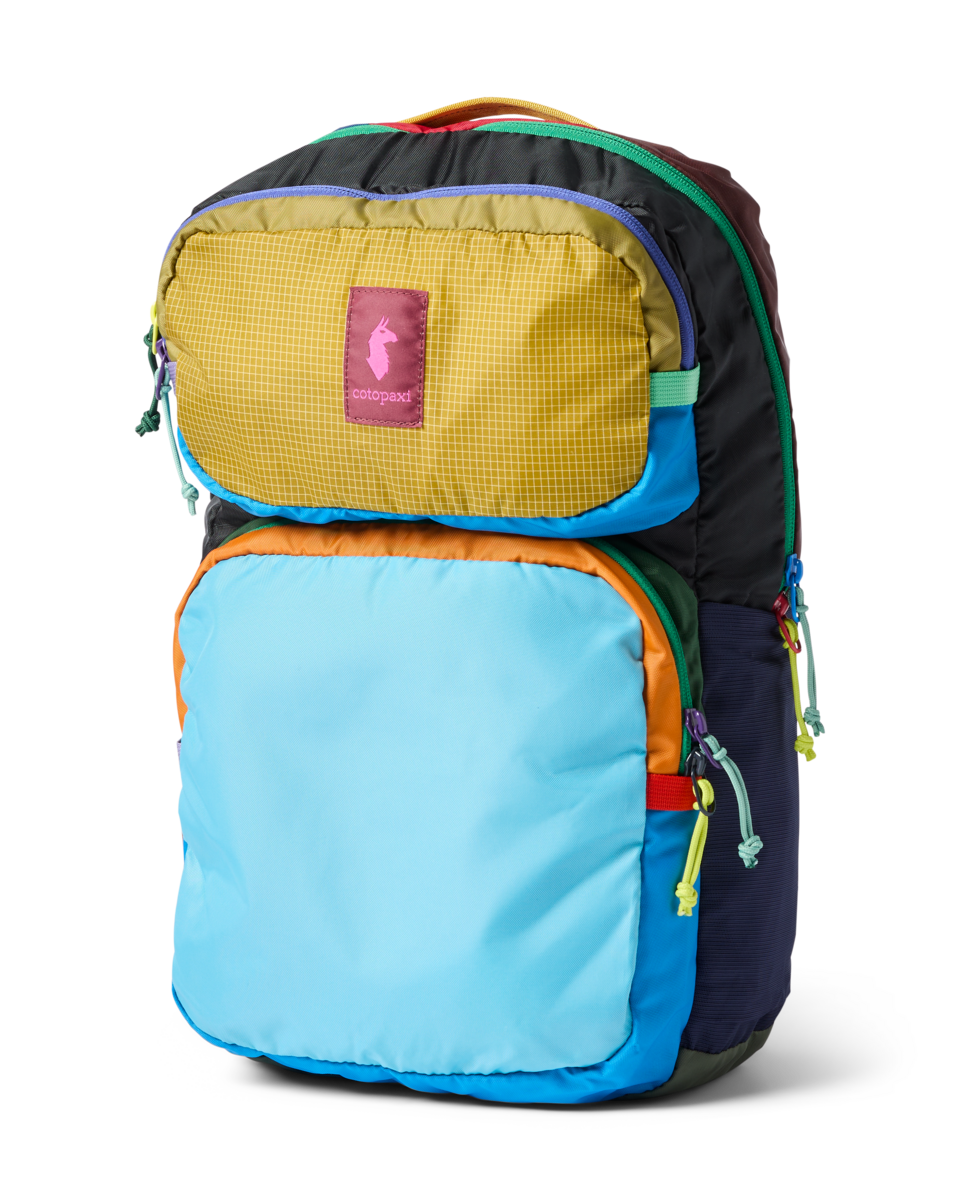
Tasra 16L Backpack
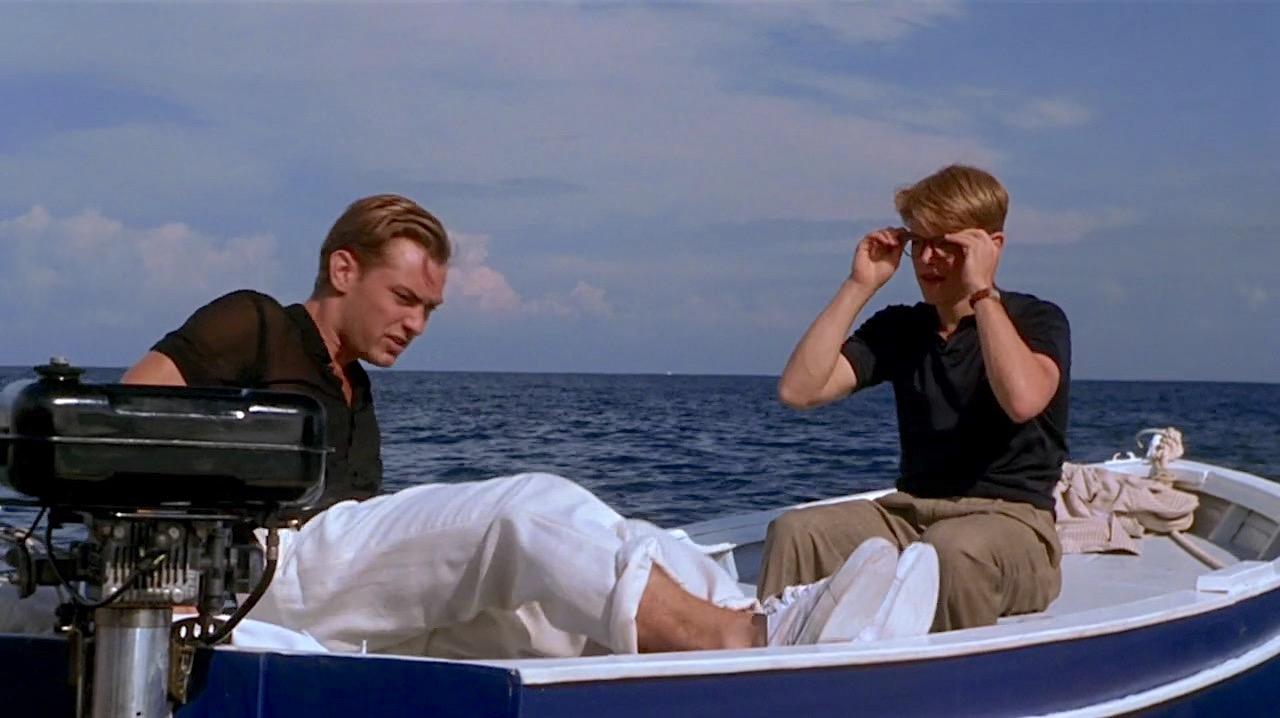
Clay Spenser in SEAL Team, 2017 — as worn by Max Thieriot
In “Man on Fire,” the Cotopaxi Tasra 16L Backpack appears with Clay Spenser in the episode’s home-front thread, not in Bravo’s Mali operation.
Cotopaxi · Backpack
Clay Spenser in SEAL Team, 2017 — as worn by Max Thieriot
In “Man on Fire,” the Cotopaxi Tasra 16L Backpack appears with Clay Spenser in the episode’s home-front thread, not in Bravo’s Mali operation.
The scene — Clay Spenser
In “Man on Fire,” the Cotopaxi Tasra 16L Backpack appears with Clay Spenser in the episode’s home-front thread, not in Bravo’s Mali operation. The hour tracks two pressures around him: Stella’s pregnancy and the unresolved break with Sonny Quinn before deployment. Reviews of the season’s arc note that Clay and Sonny do reconcile as Bravo is sent back out, placing this backpack in the stretch where Clay is moving through ordinary, stateside spaces rather than carrying mission kit.
On a series built around loadouts, breaching gear, and deployment prep, the bag belongs to errands, visits, and transitional movement inside Clay’s private life. Because SEAL Team has long leaned on former special-operations advisers and a realism-first production culture, Clay’s use of a civilian daypack reads as a deliberate separation from his operator identity. The Tasra’s compact size and Del Día patchwork make it the opposite of the muted, standardized equipment associated with Bravo Team.
In this moment, the backpack underscores the tension the season keeps pressing on him: he is still a Navy SEAL, but he is also trying to build a life not organized entirely around war. The show’s visual style favors what Gonzalo Amat has described as down-and-dirty realism. The Cotopaxi bag is therefore read in motion, as part of Clay’s silhouette, its multicolor panels catching the eye precisely because the camera does not stop to announce them.
The object
Cotopaxi, founded in Salt Lake City in 2014 by Davis Smith, Stephan Jacob, and C. J. Whittaker, built its identity around outdoor gear tied to social impact and waste reduction. Within that mission, the Del Día line became one of the brand’s clearest signatures: packs made from remnant fabric that would otherwise go unused. Cotopaxi also directs a portion of revenue through the Cotopaxi Foundation, reinforcing the company’s long-running “Gear for Good” positioning around poverty alleviation and responsible production. The Tasra 16L Backpack is one of Cotopaxi’s compact everyday designs, built from 100% deadstock nylon and polyester in the Del Día program.
Retail specifications list a 16-liter capacity, dimensions of 17 x 10.5 x 5.5 inches, and a weight of 1 pound 2 ounces. Its layout is practical rather than technical: a panel-loading main opening, front accessory pockets with an interior mesh pocket, dual stretch-mesh water-bottle pockets, side attachment points, and a padded 13-inch laptop sleeve. The model also includes tuck-away backpack straps and multiple grab handles, allowing it to shift between backpack and briefcase-style carry. In SEAL Team, the bag appears with Clay Spenser as a civilian-use backpack rather than mission gear, which suits the Tasra’s intended role as an around-town, school, or office carry.
Because Del Día colorways are assembled individually by workers in the Philippines, each pack has a unique arrangement of contrasting panels, so the version seen on screen reads as specific and personal while still being a retail product. That one-of-a-kind construction has helped give the Tasra a modest afterlife beyond the episode itself. Cotopaxi has kept the model in circulation, including updated versions described by the brand and retailers as a redesign for better everyday organization, while resale and enthusiast interest tends to focus on earlier colorways and the appeal of never getting the exact same bag twice.
Production Notes
Access the background file: ask anything beyond the page.